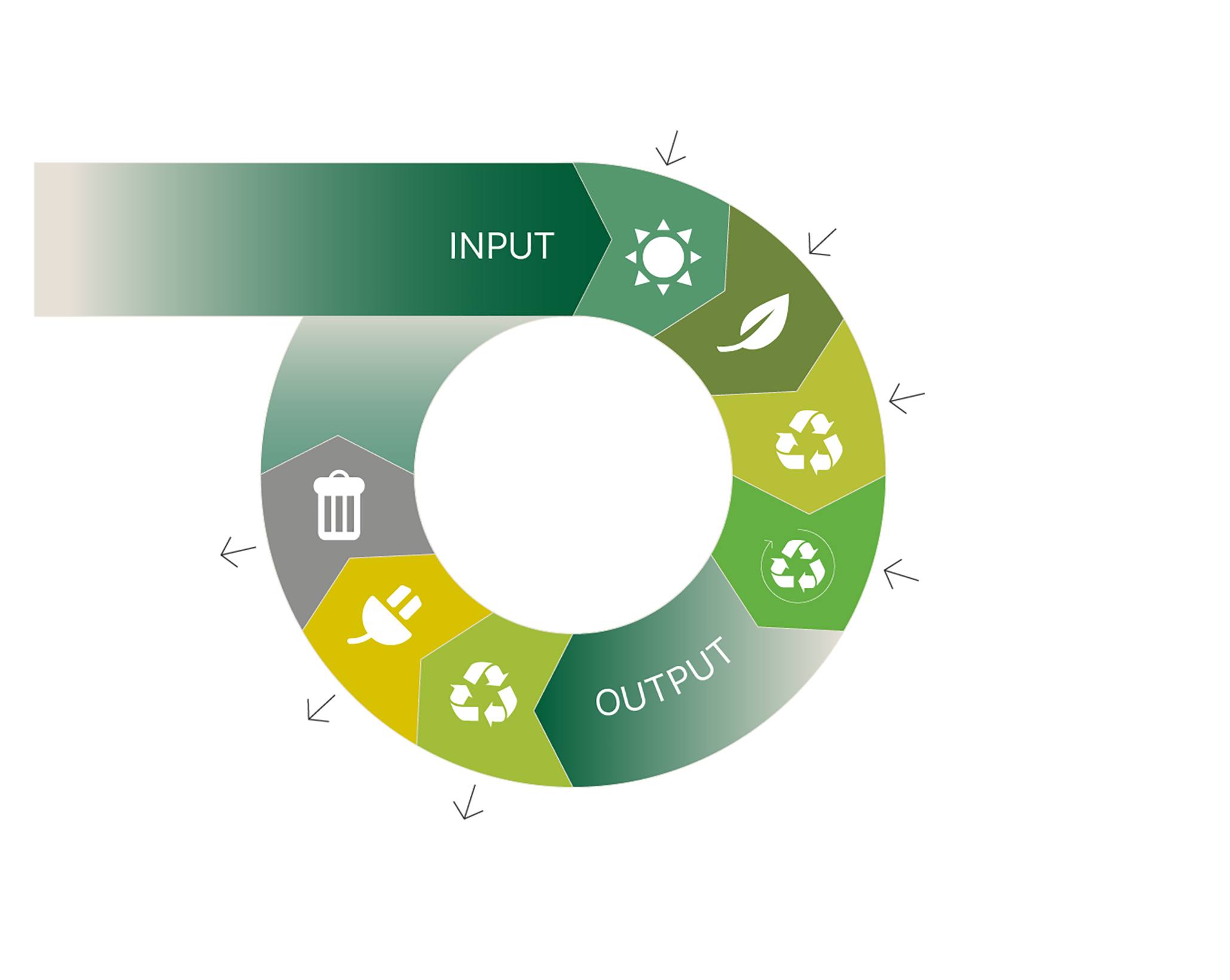
High Degree of Product Circularity
Environmental Traceability
La Certificazione sulla circolarità del prodotto si inserisce in un percorso virtuoso intrapreso dall’azienda per ridurre gli sprechi e rigenerare le risorse.
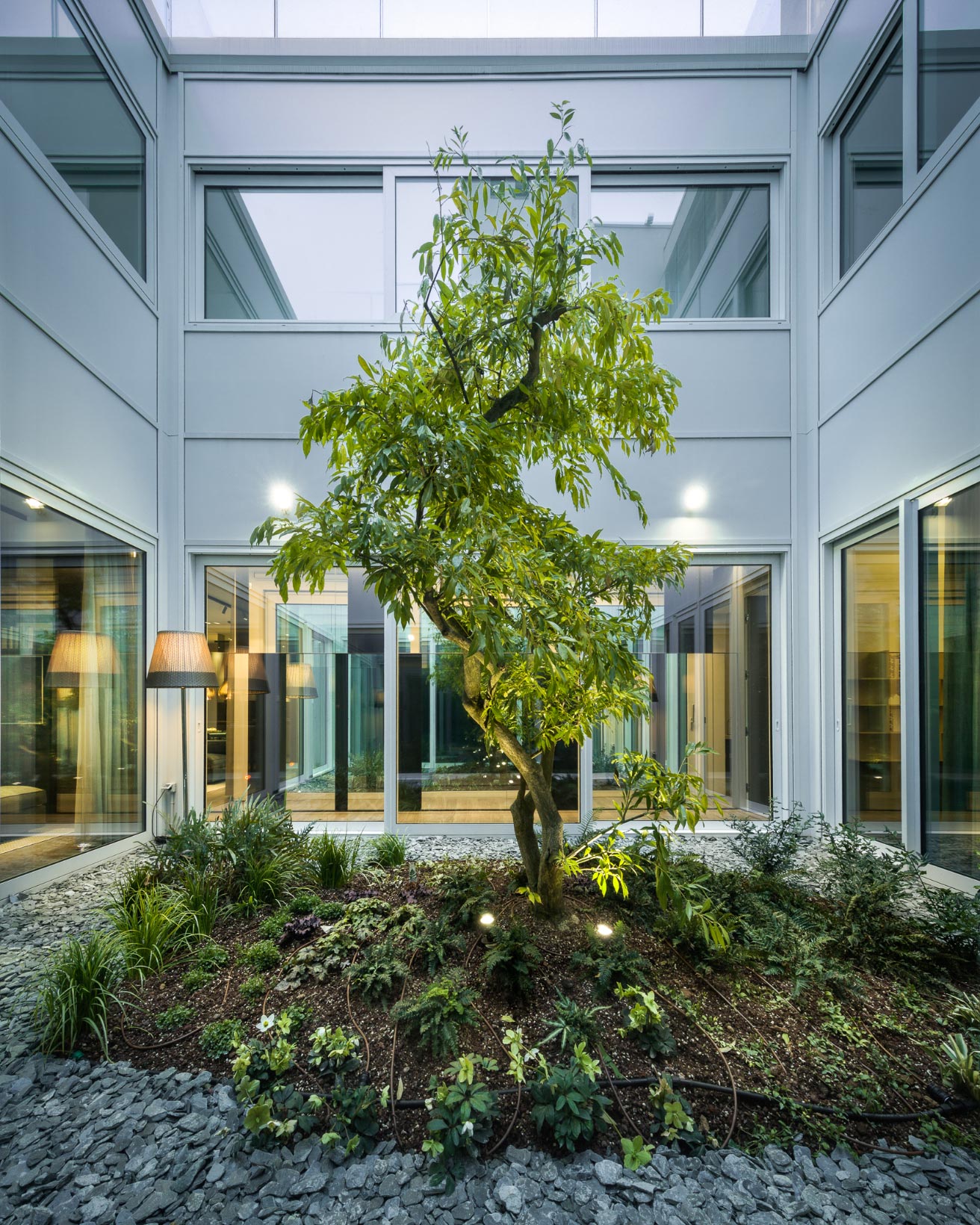
Product circularity certification is part of a positive initiative undertaken by the company to reduce waste and regenerate resources.
Product circularity is achieved through an efficient production process that optimizes the product’s functionality, reduces its environmental impact, and promotes the reuse of the resources used.
In the 10th year, Ernestomeda obtained Product Circularity Certification, issued by the accredited body Cosmob, which has developed its own operational guidelines titled “Cosmob Qualitas Praemium – Product Circularity Assessment,” serving as a valid verification tool in accordance with the UNI EN ISO 14021 standard.
A product’s circularity is assessed by measuring (material balance) the resources used to manufacture it.
The tests take into account a series of indicators that provide an overview of the types of input materials and the destination of output materials. Based on the circularity assessment conducted and certified by Cosmob (UNI EN ISO 14021) on Ernestomeda products, a circularity index of up to 99% is achieved.
For Ernestomeda, all pieces of furniture were tested in their various structural and finish variations; in particular, furniture with veneered, laminated, lacquered, and glass doors, as well as the various components, were tested.
Glass
Veneer
Lacquered
Melamine and laminate
59%
Renewable source
material that can regenerate over time
59%
Renewable source
material that can regenerate over time
49%
Virgin
material with no recycled content
49%
Virgin
material with no recycled content
48%
Recycled
material which has pre and post-consumer recycled content
48%
Recycled
material which has pre and post-consumer recycled content
3%
Permanent material
material which can be recycled infinite times without losing any of its original properties (upcycling)
3%
Permanent material
material which can be recycled infinite times without losing any of its original properties (upcycling)
98%
Recycle
material destined for recycling processes
98%
Recycle
material destined for recycling processes
2%
Energy recovery
material used as an alternative to traditional energy sources to produce electricity and heat
2%
Energy recovery
material used as an alternative to traditional energy sources to produce electricity and heat
0%
Landfill
material sent for landfill disposal
0%
Landfill
material sent for landfill disposal
99
Product
circularity
circularity
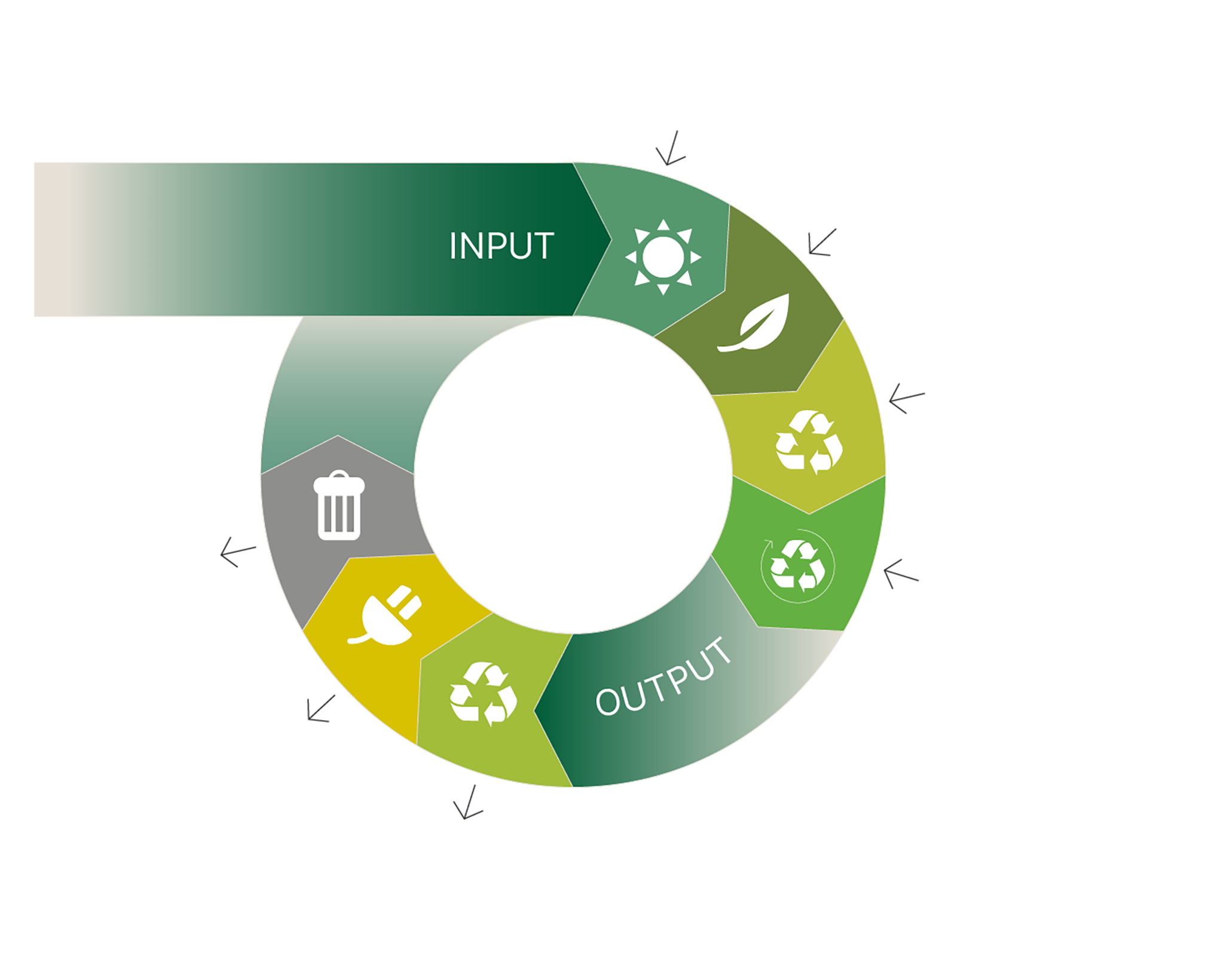
89%
Renewable source
material that can regenerate over time
89%
Renewable source
material that can regenerate over time
56%
Virgin
material with no recycled content
56%
Virgin
material with no recycled content
44%
Recycled
material which has pre and post-consumer recycled content
44%
Recycled
material which has pre and post-consumer recycled content
0%
Permanent material
material which can be recycled infinite times without losing any of its original properties (upcycling)
0%
Permanent material
material which can be recycled infinite times without losing any of its original properties (upcycling)
97%
Recycle
material destined for recycling processes
97%
Recycle
material destined for recycling processes
2%
Energy recovery
material used as an alternative to traditional energy sources to produce electricity and heat
2%
Energy recovery
material used as an alternative to traditional energy sources to produce electricity and heat
1%
Landfill
material sent for landfill disposal
1%
Landfill
material sent for landfill disposal
98
Product
circularity
circularity
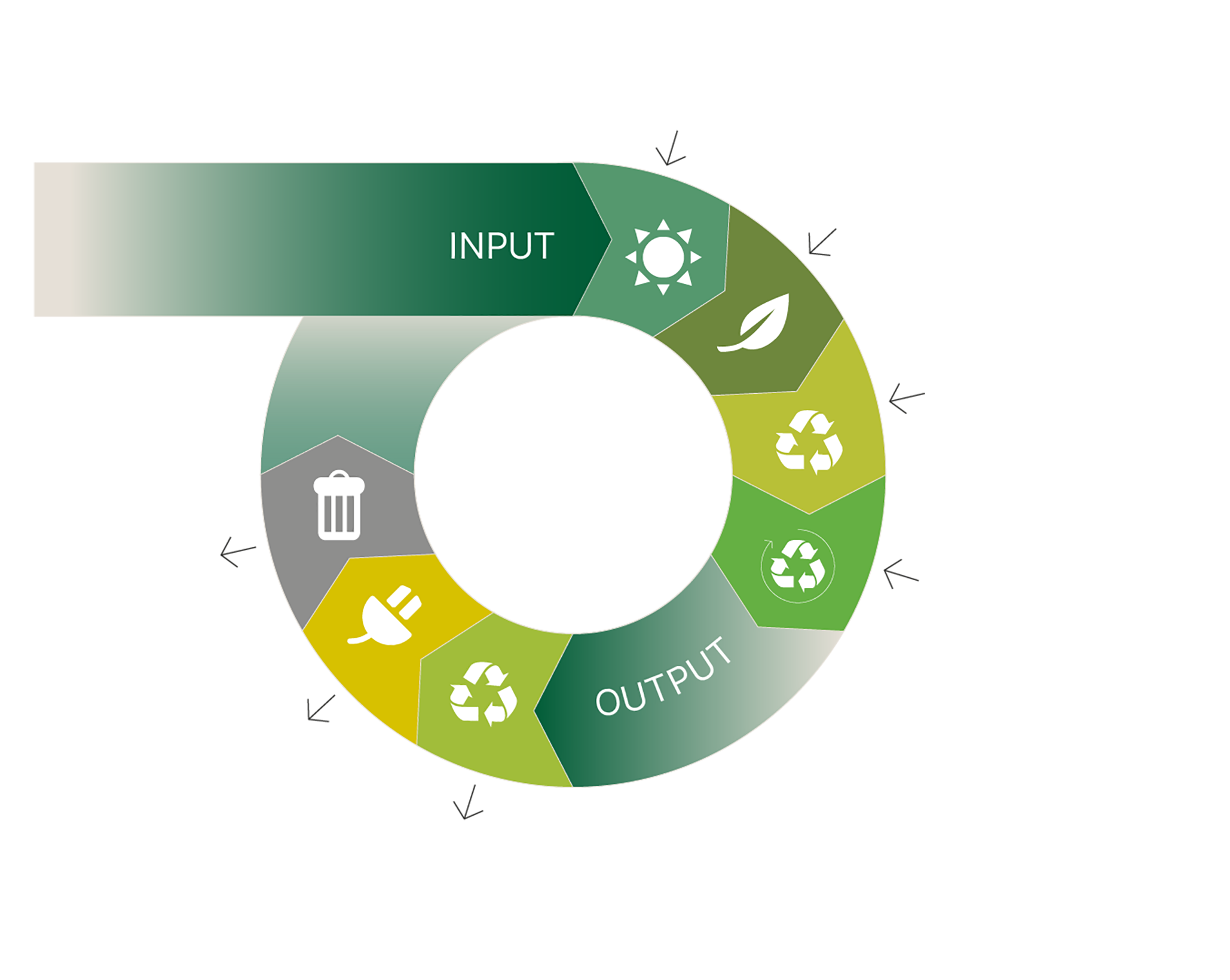
89%
Renewable source
material that can regenerate over time
89%
Renewable source
material that can regenerate over time
38%
Virgin
material with no recycled content
38%
Virgin
material with no recycled content
62%
Recycled
material which has pre and post-consumer recycled content
62%
Recycled
material which has pre and post-consumer recycled content
0%
Permanent material
material which can be recycled infinite times without losing any of its original properties (upcycling)
0%
Permanent material
material which can be recycled infinite times without losing any of its original properties (upcycling)
98%
Recycle
material destined for recycling processes
98%
Recycle
material destined for recycling processes
2%
Energy recovery
material used as an alternative to traditional energy sources to produce electricity and heat
2%
Energy recovery
material used as an alternative to traditional energy sources to produce electricity and heat
0%
Landfill
material sent for landfill disposal
0%
Landfill
material sent for landfill disposal
99
Product
circularity
circularity
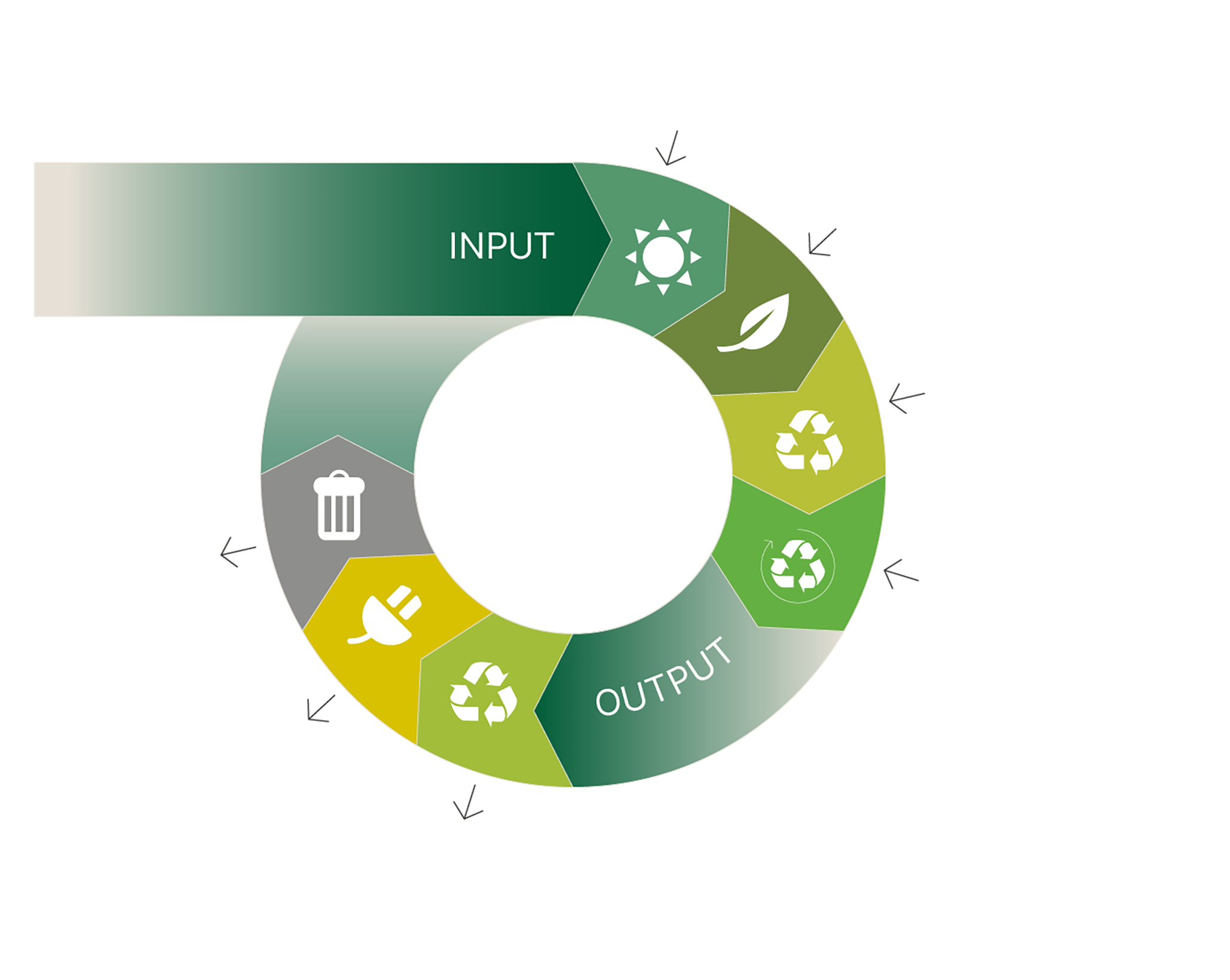
88%
Renewable source
material that can regenerate over time
88%
Renewable source
material that can regenerate over time
25%
Virgin
material with no recycled content
25%
Virgin
material with no recycled content
75%
Recycled
material which has pre and post-consumer recycled content
0%
Permanent material
material which can be recycled infinite times without losing any of its original properties (upcycling)
0%
Permanent material
material which can be recycled infinite times without losing any of its original properties (upcycling)
97%
Recycle
material destined for recycling processes
97%
Recycle
material destined for recycling processes
2%
Energy recovery
material used as an alternative to traditional energy sources to produce electricity and heat
2%
Energy recovery
material used as an alternative to traditional energy sources to produce electricity and heat
1%
Landfill
material sent for landfill disposal
1%
Landfill
material sent for landfill disposal
98
Product
circularity
circularity